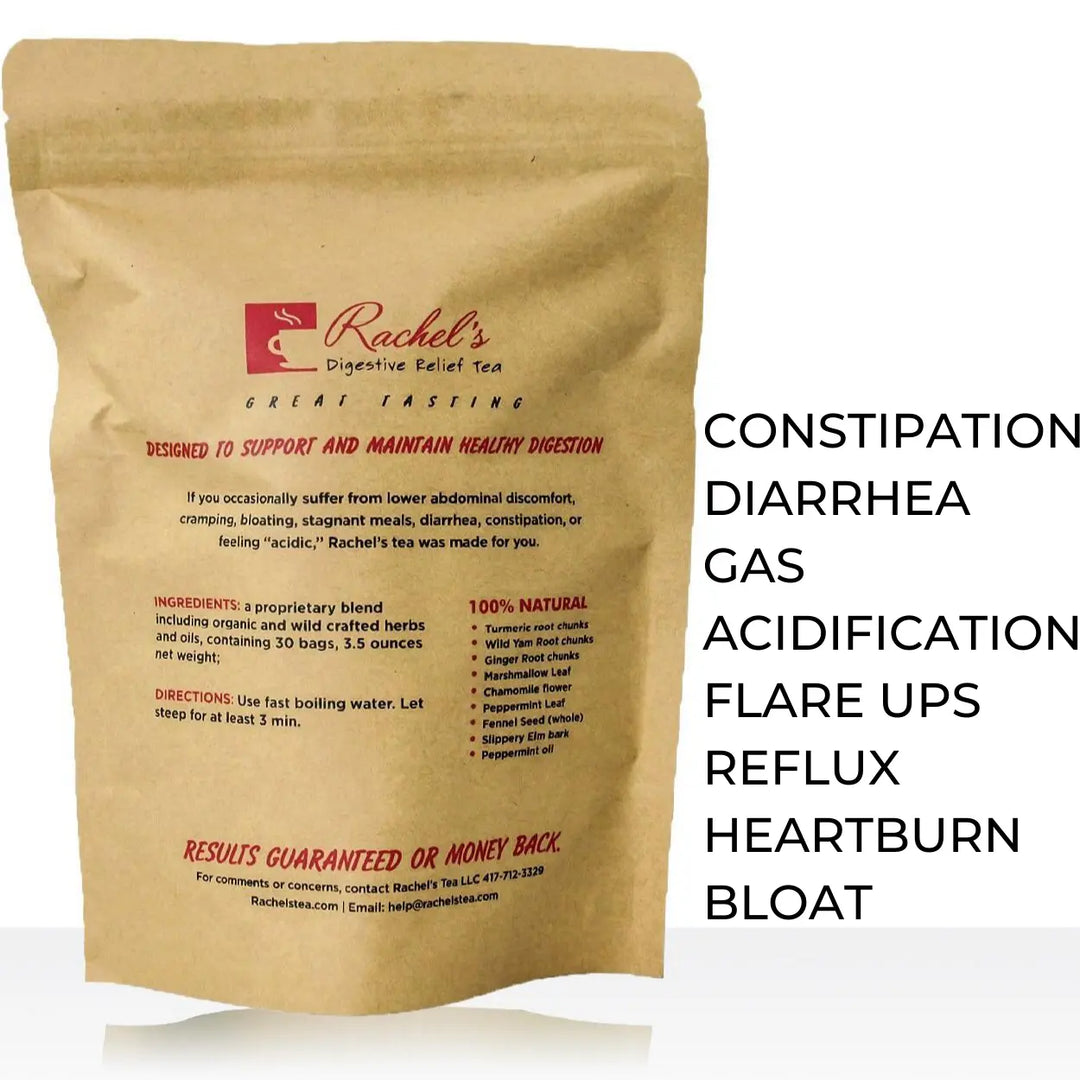

How Herbal Teas Support for Gut Health?

Anyone can get digestive troubles. Most often, people will have a bloating, heavy stomach, or irregular bowel after a meal. But nutrients and lifestyle do a major part in digestive health. Herbal teas and simple habits can greatly support the natural body digestive system.
Digestive teas are herbal mixtures. They consist of different plants and herbs. They have been used to calm the stomach and intestines indirectly. Also, these teas have no caffeine and can be easily consumed anytime during or after meals to support digestion, and to alleviate discomfort. They not only hydrate the body but also support the overall well being of the digestive system.
How It Supports the Digestive System
The question arise is how does a tea help digestive problem? The digestive system relies on coordinated
- Muscle movements
- Enzymes
- A balanced gut environment
These help to break down food properly. You should also avoid some unexpected foods that cause digestive problems, Herbs in gut health teas help by:
- relaxing digestive muscles
- supporting healthy stomach movement
- reducing gas buildup
-
soothing irritation in the digestive tract
Warm liquids themselves help in digestion. Drinking herbal tea after eating reduces the feeling of heaviness. It aids in digestion of heavy meals.
Herbal Ingredients Commonly Used in Digestive Teas

Gas relief teas contain herbs that have long been used in traditional wellness practices. But What Is in Digestive Tea for Constipation and Bloating? Each herb supports digestion in different ways.
Ginger Root
It is one of the most widely used digestive herbs. It is known for its warming properties. It is used to support stomach activity. People drink ginger tea when experiencing
- Nausea
- Stomach heaviness
- Slow digestion
Peppermint Leaf
It is commonly used in teas for digestive health because it may help relax the digestive tract. This relaxation relieves pressure in the stomach and reduces bloating. You can also use peppermint oil capsules for bloating.
Peppermint tea is one of the most effective and the best tea for digestion and bloating.
Fennel Seeds
They have traditionally been used after meals to support digestion. They are believed to help
- Reduce gas buildup
- Support smoother intestinal movement
Chamomile
It is known for its calming effects. In calming teas, it
- Relaxes digestive muscles
- Soothes mild stomach discomfort
Turmeric
It contains natural compounds. It supports the body's anti-inflammatory response. Some best tea for digestion include turmeric to support overall digestive wellness.
Each herb in stress relief tea works differently. Digestive teas combine different ingredients to create a balanced formula.
Can Digestive Tea Help Reduce Belly Bloating?
Many people search for drinks that help to create a flatter stomach. It is important to understand the difference between fat loss and bloating. Bloating is one of the most common digestive complaints. It occurs
- when gas builds up in the digestive system
- when food moves slowly through the gut
This tea for digestion does not burn belly fat. It reduces bloating caused by gas or digestive discomfort.
When bloating decreases, the stomach may appear flatter and feel more comfortable. This is why herbal teas are used after heavy meals or during periods for digestive discomfort.
These herbal teas are used to relieve this discomfort
- Peppermint
- Fennel
- Ginger
Digestive Tea and Gut Comfort
 Mostly, people turn to herbal teas when they experience ongoing digestive sensitivity.
Herbs such as peppermint, chamomile, and ginger are commonly used in best teas for digestion. They are designed for gentle digestive support.
These herbs are recommended for people experiencing occasional digestive discomfort, including bloating associated with sensitive digestion or IBS. You also need to look for catalyst foods and trigger foods that cause digestive problems.
The Belly Bloat Question
Bloating Teas do not melt fat, but they reduce bloating for a comfier tummy especially after rich eats.
Does Digestive Tea Actually Work?
They have been used in traditional practices for centuries. They are not a cure for digestive disorders but many people find it helpful for everyday digestive support.
How Much and When?
Many people drink digestive relief tea
- once a day
- twice a day
- particularly after meals
Most digestive teas are caffeine-free. They are suitable for evening consumption as well.
As with any herbal product, moderation is recommended and ingredient labels should always be reviewed. You can use it on alternate days with slim tea detox.
Read more:
- The Best Tea for Diarrhea and Digestive Balance: End the ‘Bathroom Drama’ Naturally
- What Happened When I Swapped My Evening Coffee for Digestive Tea
Final Thoughts
At the end of the day, what counts is your own perspective and how you move forward from here. Digestive tea is an easy and soothing way to help keep your digestion on track every day. These teas offer a cozy kind of hydration, using classic herbs like ginger, peppermint, fennel, and chamomile. They help ease bloating and make digestion go more smoothly. Digestive tea isn’t meant to take the place of medical treatment. It can be a useful part of a balanced lifestyle. Having a warm cup after eating can help you relax and might also ease digestion a bit. Knowing which herbs go into digestive teas and how they help your digestion can make it easier to pick a blend that works well with your daily habits and what your stomach needs.