
5 Best Teas for IBS (Irritable Bowel Syndrome)

Irritable Bowel Syndrome has become very common nowadays. It has become challenging to find relief from it. As it causes bloating, cramps and gas. But dietary changes and medications are helpful to deal with it. Choosing the best tea for IBS and gut health can make a significant difference. It offers a gentle and natural relief. These teas can reduce inflammation and support gut comfort. Today, we will be learning about IBS, its symptoms, and the best teas for IBS, like peppermint tea, chamomile tea, and digestive tea. Why we should incorporate these teas in our daily routine for better gut health.
What is IBS?
IBS(Irritable Bowel Syndrome)is a chronic digestive disorder. It affects the large intestine. It is not life-threatening. But it can drastically impact quality of life and our daily life. It affects up to 15% of people worldwide. Common symptoms are:
- Abdominal pain
- Cramping
- Bloating
- Excessive gas
- Constipation
- Diarrhea
- Mucus in stool
- Feeling of incomplete bowel movement
- Nausea, discomfort after eating
Causes of IBS
The exact cause of IBS is still unclear. But there are several factors that can cause IBS. These factors are:
- Gut-brain axis miscommunication
- Irregular muscle contractions in the bowel
- Gut microbiome imbalance
- Psychological and emotional stress
- Sensitivity to food and intolerance
- Hormonal imbalance
If you are experiencing these symptoms. Then, it’s worth trying the following teas to ease digestion and reduce gut spasms. These symptoms are the reason why a calming cup of tea for IBS and gut health can be very effective.
Best Teas for IBS

Herbal teas are a natural remedy for digestive discomfort. It is especially valued for IBS relief. Here are the top best teas for IBS to consider. They have gut-soothing compounds. These are the recommendations for the best tea for digestion:
1. Peppermint Tea
It is widely recommended for IBS. Its active ingredient is menthol. It relaxes intestinal muscles thus reducing
- Spasms
- Bloating
- Gas
It helps to relieve abdominal pain and cramping, the most common IBS symptoms. It significantly eases pain for IBS sufferers. It can also be taken in the form of peppermint oil capsules. Also read Peppermint Oil for Bloating and IBS.
How to use:
- Steep dried peppermint leaves in hot water for 5–10 minutes.
- Drink 2–3 cups daily
You should avoid using it at bedtime if you have GERD. Because it relaxes the LES and worsen acid reflux and heartburn.
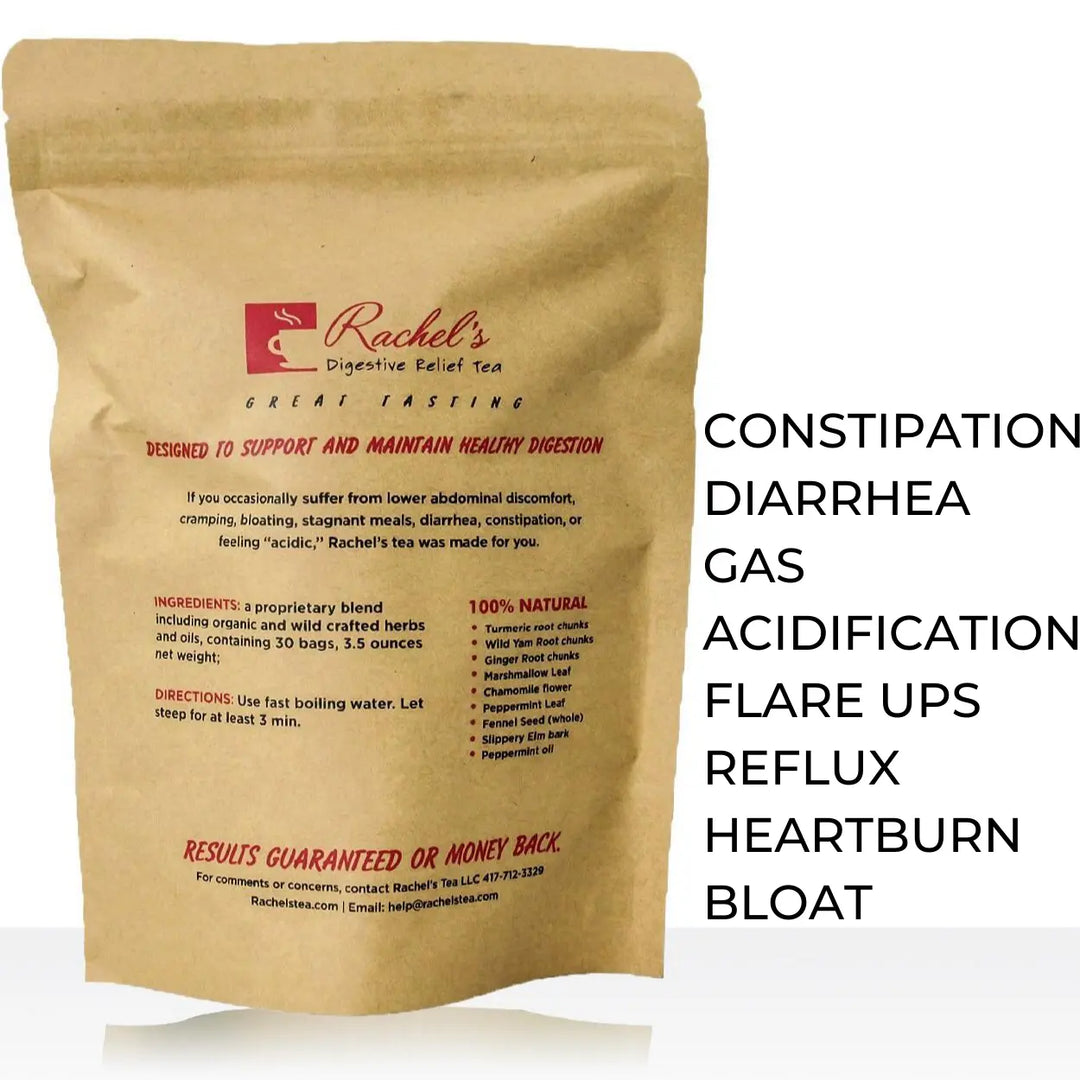
2. Digestive Tea
Digestive teas are herbal blends. These herbal blends include
- Peppermint
- Fennel
- Ginger
- chamomile
Gut health tea is especially designed for overall digestion tea benefits. It is all in one solution for IBS and many other digestive issues. They target multiple IBS symptoms including
- Digestive discomfort
- Irregularity
- Bloating
- Inflammation
- Digestive imbalance
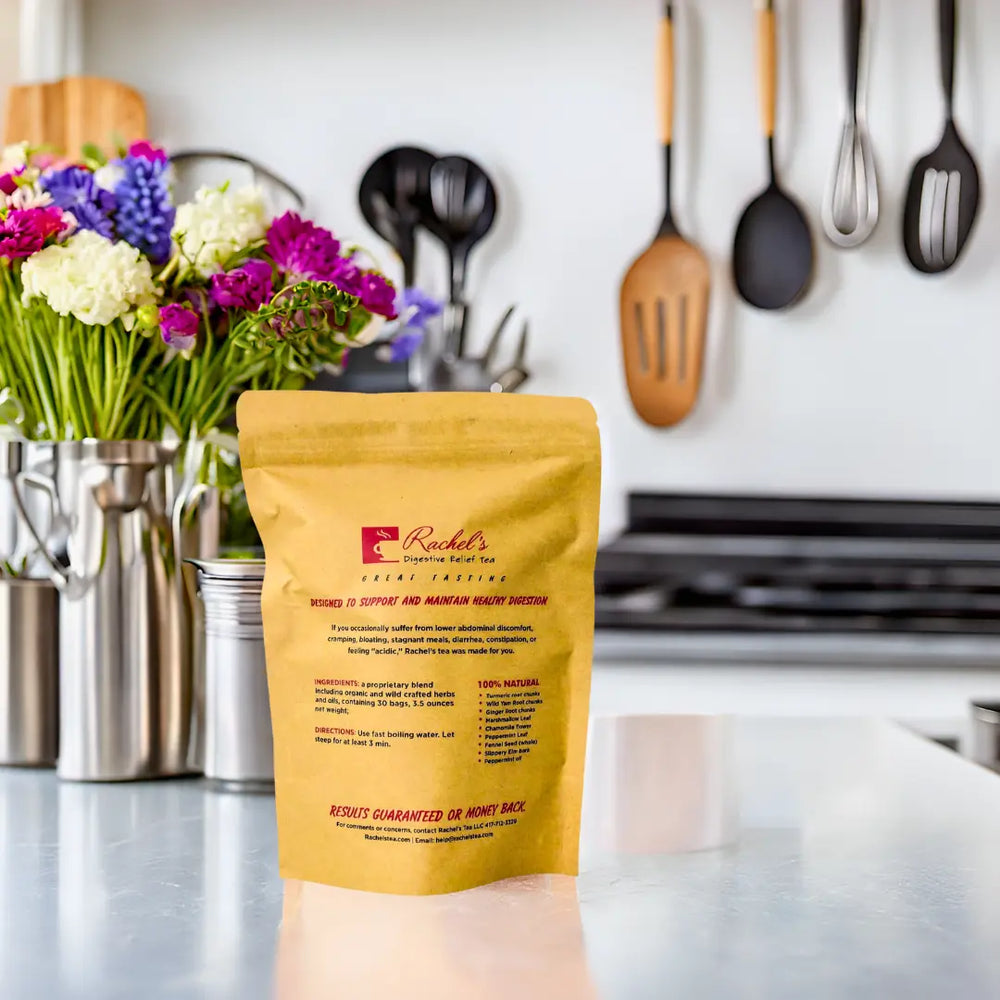
Always go for a trusted brand like Rachel's tea. It has one of the best digestive tea.
How to use: Brew 1–3 cups daily after meals for maximum benefits. Also read How Digestive Tea Can Help With IBS, Bloating & Gut Health for more information about gut health tea.
3. Chamomile Tea
It soothes digestion and reduces stress. It is known for its calming and anti-inflammatory effects. It has antispasmodic properties. It is best to use when IBS is triggered by anxiety and stress. It relaxes gut muscles and reduces
- Abdominal pain
- Gas
- Flare-ups
- Cramping
How to use: Steep 2–3 tsp of chamomile flowers for 10–15 minutes. Drink it between meals, up to 3 cups a day. And especially in evenings for relaxation.
4. Fennel Tea
It is a time-tested remedy for gas and cramping. It is known for its carminative and antispasmodic effects. It eases bloating, gas and cramps that are prime symptoms of IBS. It
- Relaxes the gut
- Encourages gas release
- Promotes smoother digestion
- relieves constipation
How to use: Take a tablespoon of crushed fennel seeds and steep in hot water for 7 minutes. Then sip it after meals to ease bloating and digestion.
5. Ginger Tea
Ginger tea is highly valued for
- Anti-inflammatory
- Anti-nausea
- Motility-boosting properties
It is very helpful for IBS related to constipation and diarrhea. It also
- Supports digestion
- Reduces inflammation
- Helps with nausea
- Eases indigestion
- Relieves cramping
How to use: Simmer fresh ginger slices in water for 10 minutes. You can also go for ginger tea bags, steep a tea bag. Drink once daily or after a meal for optimal relief.
Why Drink Tea for IBS?
-
Reduces gut spasms and cramps (e.g. digestive tea, peppermint, fennel)

-
Eases inflammation in the digestive tract (e.g. digestive tea, chamomile, ginger)
-
Supports regular bowel movement and digestion speed
-
Balances gut microbiome through herbal antioxidants
- Offers stress relief, calming the gut-brain connection
Related Articles:
- Living With Inflammatory Bowel Disease: What Helped Me Feel Better
- Inflammatory Bowel Disease (IBD) Symptoms and Causes
Conclusion
If you are searching for the best tea for IBS. Then, these non-caffeinated and herbal teas including peppermint tea, chamomile tea, fennel tea, ginger tea, and well-crafted digestive relief tea blends offer soothing relief. They reduce cramping, bloating, gas, inflammation and stress. They promote digestive balance and ease. But remember as teas provide excellent support, consult your healthcare provider for severe IBS symptoms.